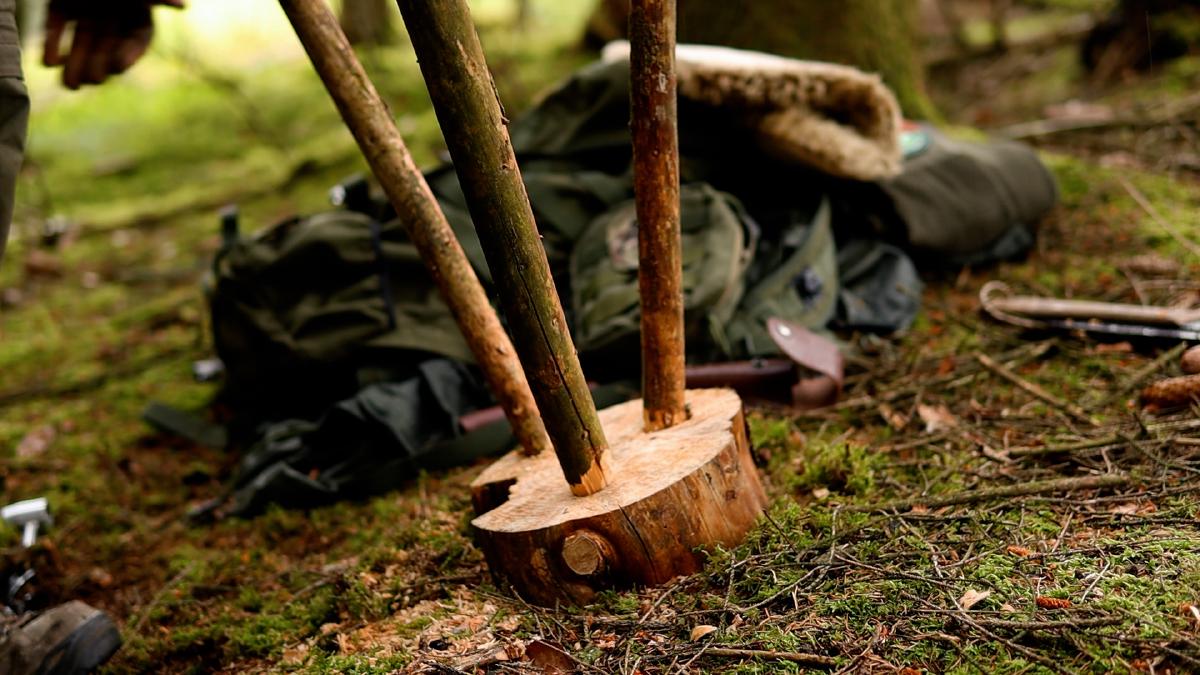
There’s something deeply satisfying about sitting on furniture you just built from raw wood in the forest. No hardware store, no screws, no glue — just trees, a few hand tools, and a bit of patience. A three-legged bushcraft stool is one of the most practical camp projects you can tackle: it’s stable on uneven ground, surprisingly comfortable, and teaches you joinery skills that transfer to bigger builds.
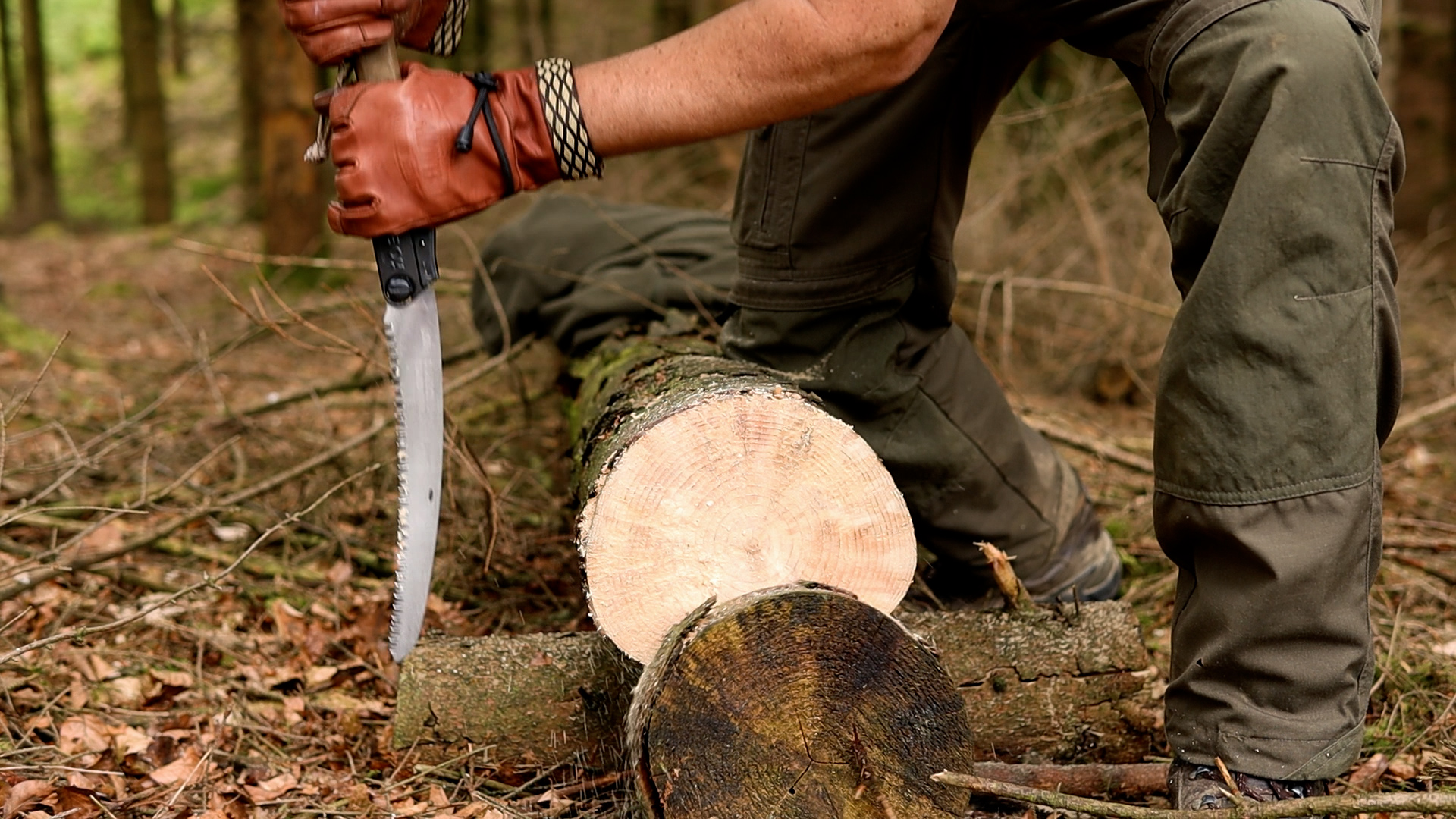
Here’s how to make one from scratch using a hand auger.
What You Need#
The tool list is short, which is part of the appeal. You’ll need three things:
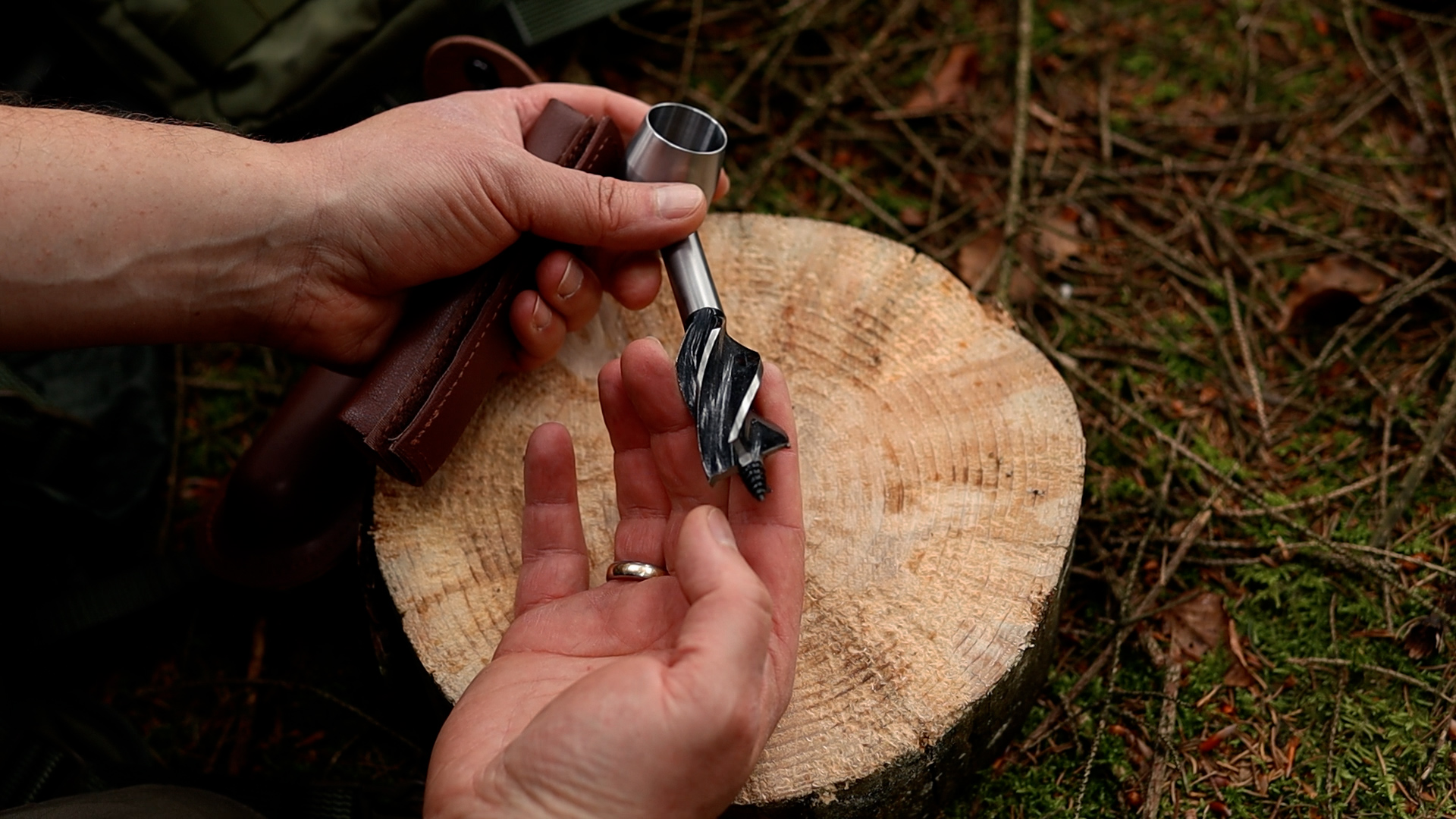
- A bushcraft hand auger — the star of the build. It bores clean, deep holes into green wood with minimal effort. Pick a diameter that matches your leg stock (roughly 25–30 mm works well).
- A folding saw — I use the Silky Gomboy Outback 240, which handles hardwood and softwood equally well. A good pull-cut blade saves real energy.
- A sturdy knife — the Joker Bushcrafter handles batoning, whittling tenons, and trimming bark.
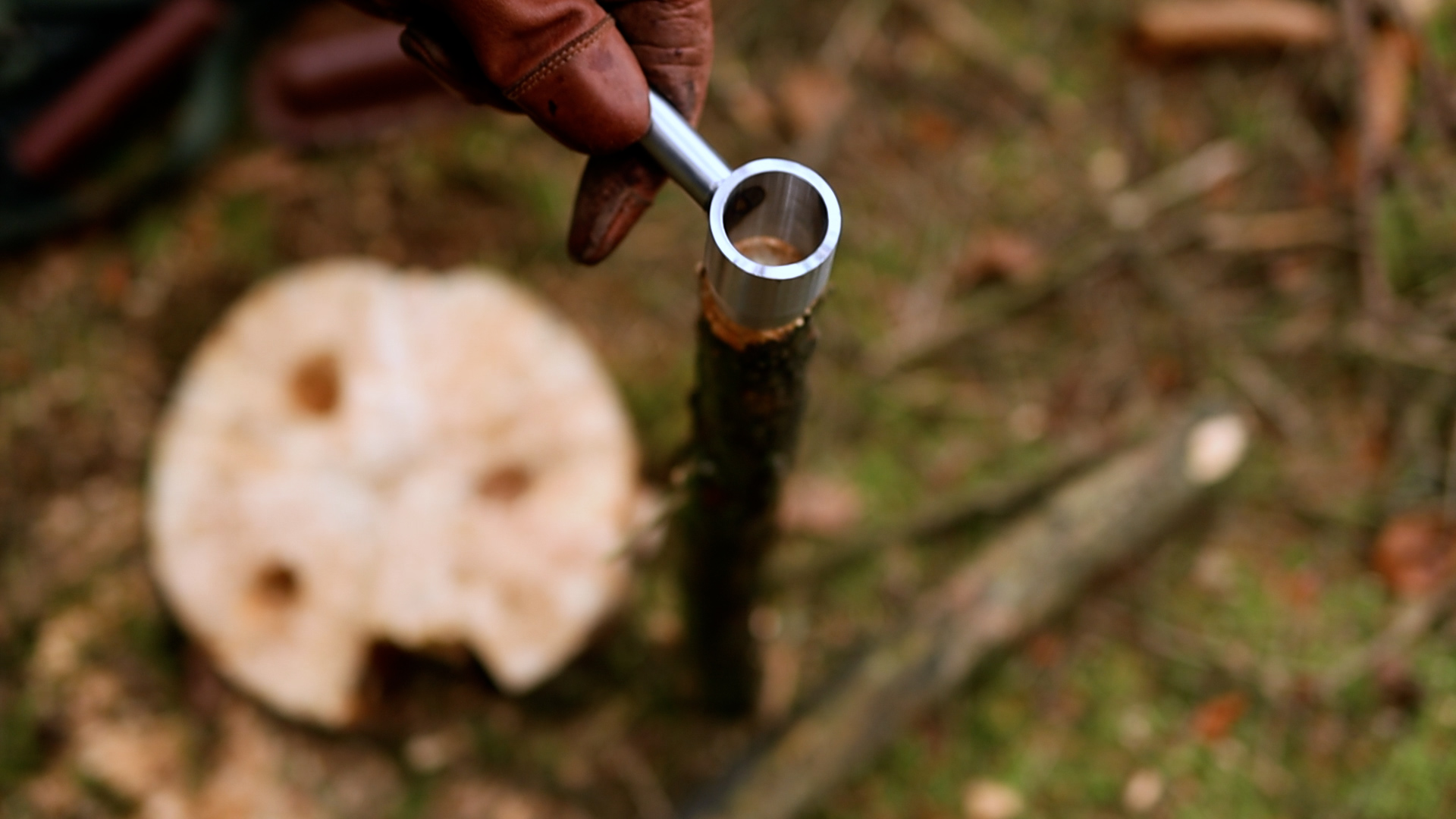
That’s it. No cordless drill, no mallet — just hand-powered tools that fit in a daypack.
Choosing Your Wood#
This is the step that makes or breaks the project. You need two types of material:
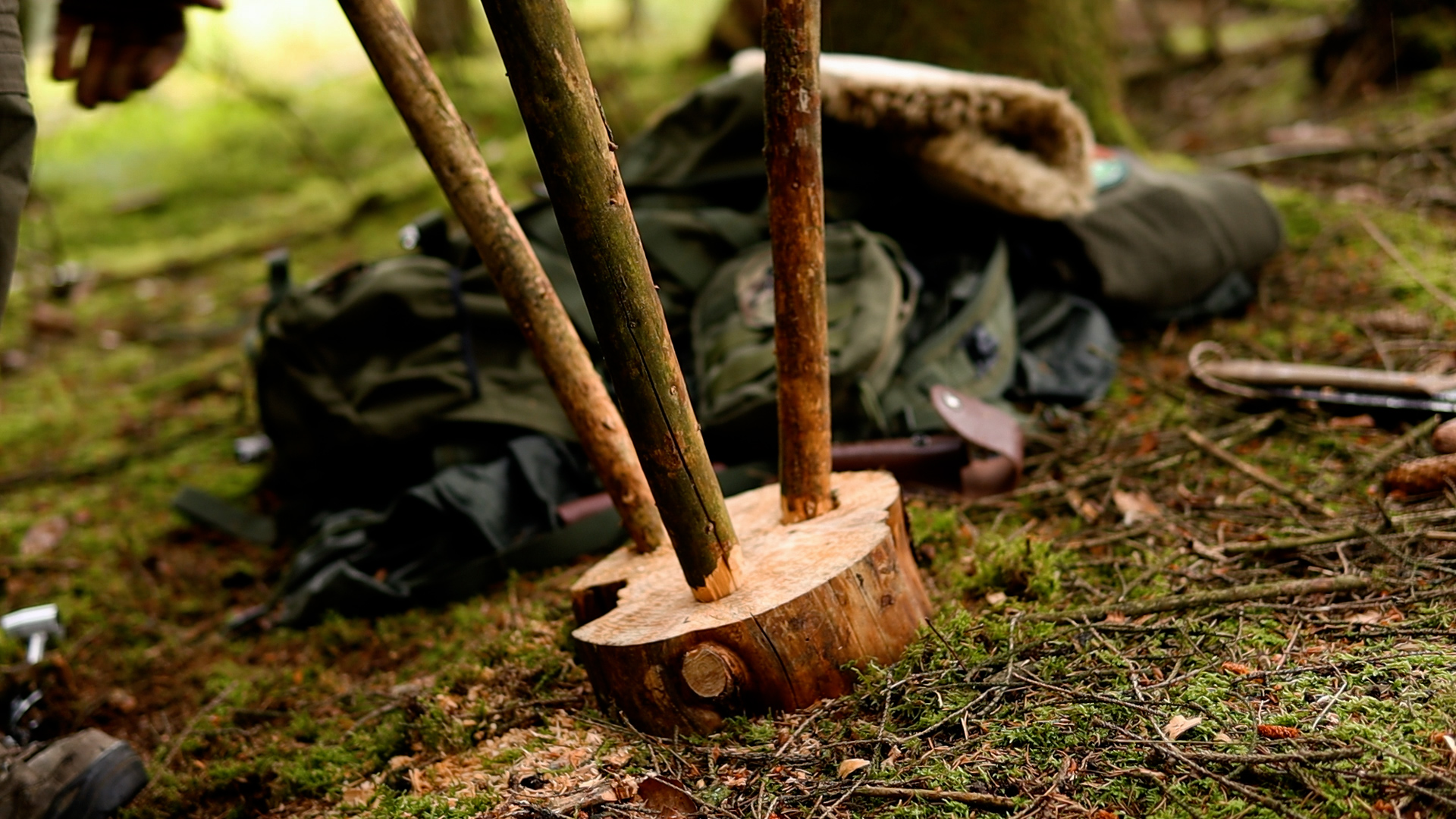
For the legs, look for straight hardwood branches about wrist-thick (4–5 cm diameter). Hazel, birch, or young beech work well. Avoid anything with a pronounced curve or heavy side branches — the legs need to sit at a consistent angle, so straight stock matters.
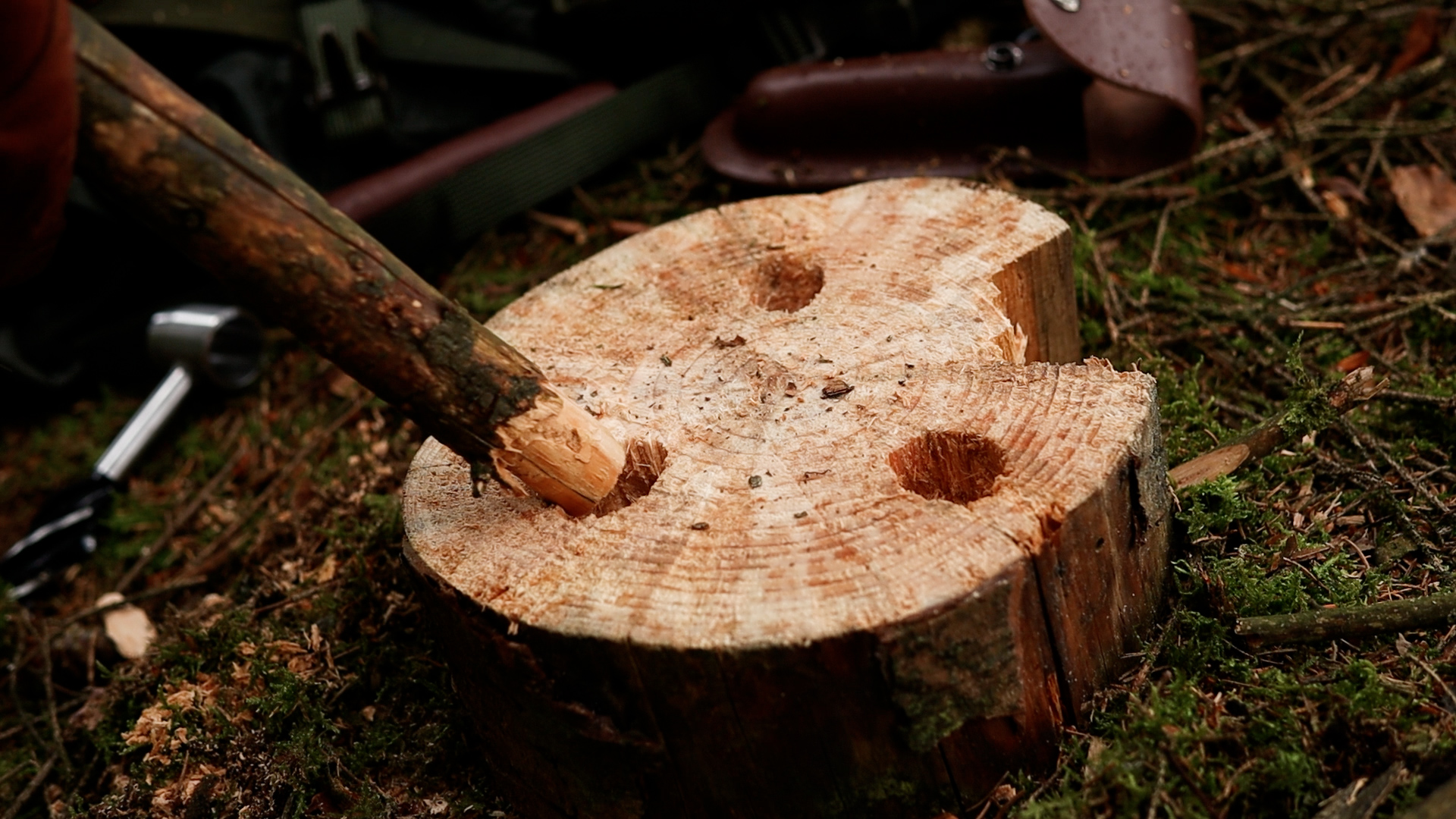
For the seat, you need a wider piece — roughly 20–25 cm across and at least 3–4 cm thick. This is the tricky part. You either source a thick section from a fallen trunk and split it, or locate a naturally flat piece of deadwood. Green wood is easier to drill but heavier; dry wood is lighter but harder on the auger. A slightly weathered but still solid slab is the sweet spot — dry enough to carry, moist enough to drill cleanly.
Avoid punky, rotten wood for the seat. It’ll crack under load.
Building the Stool Step by Step#
1. Cut and prepare the legs. Saw three pieces to roughly the same length — about 40–45 cm gives a comfortable sitting height once angled. Use your knife to whittle a slight taper on one end of each leg. This taper becomes the tenon that fits into the seat. Aim for a snug fit against your auger’s hole diameter. Too loose and the joint wobbles; too tight and you risk splitting the seat.
2. Prepare the seat blank. Saw your seat piece to a rough circle or rounded triangle. It doesn’t need to be perfect — organic shapes look better out here anyway. Debark the edges if you want a cleaner look, or leave them natural.
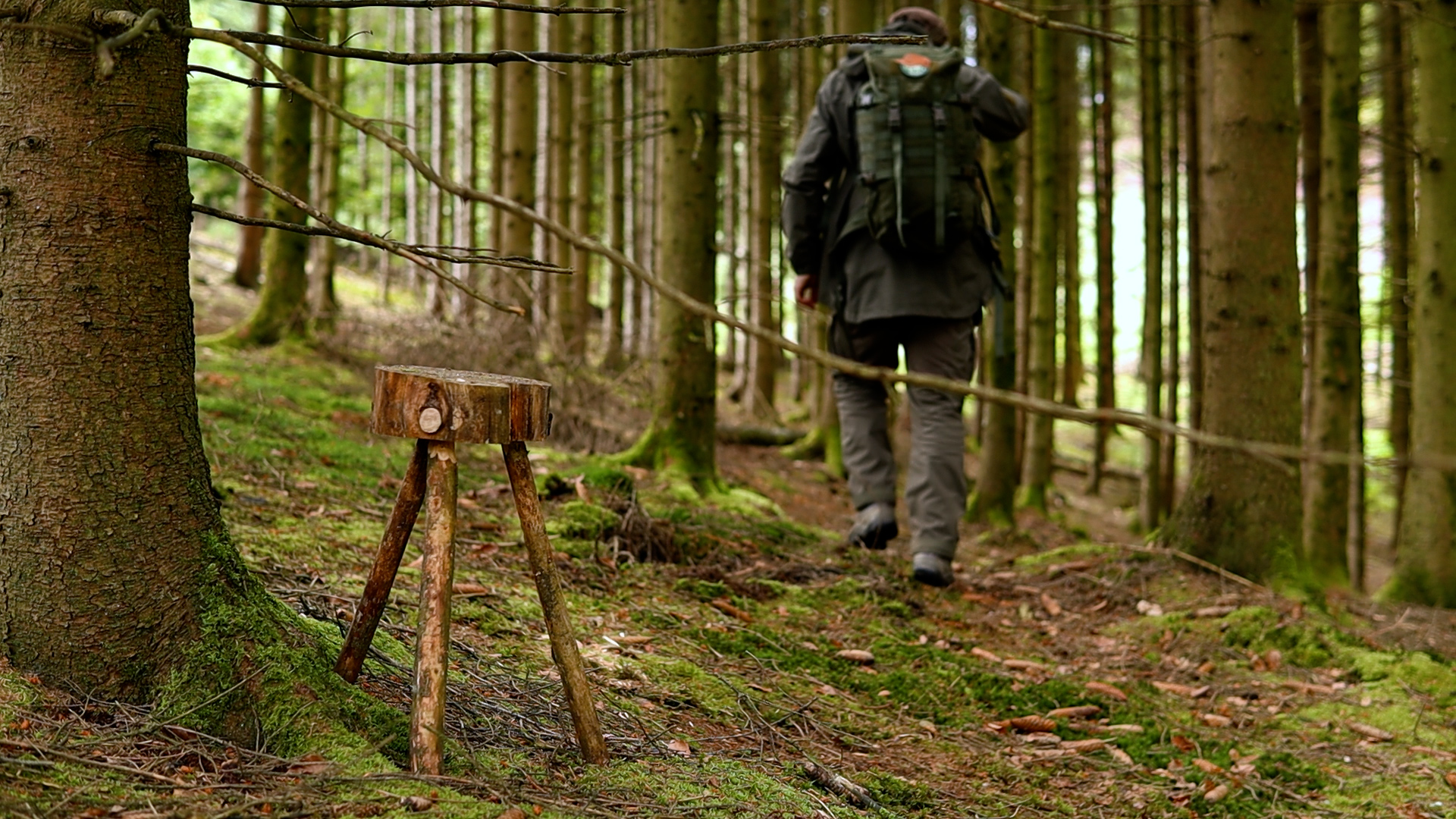
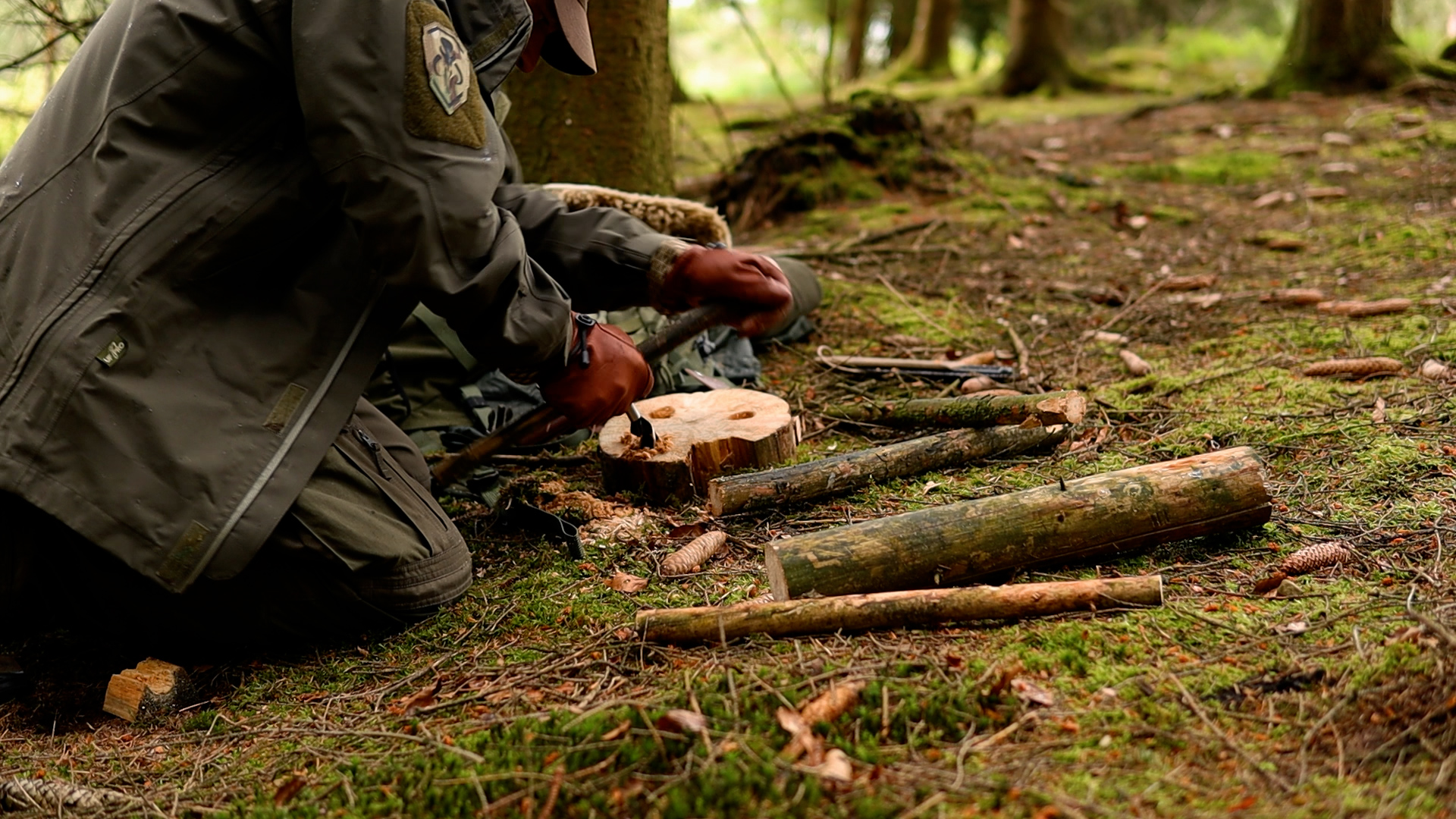
3. Mark and bore the leg holes. Flip the seat bottom-up. Mark three points in an even triangle pattern, each about 3–4 cm in from the edge. Now comes the satisfying part: set the auger tip on your mark, apply downward pressure, and turn. Let the screw tip pull itself in — don’t force it. Bore at a slight outward angle (roughly 10–15° from vertical) so the legs splay for stability. Consistency matters more than the exact angle: try to match all three.
4. Fit the legs. Push each tapered tenon into its hole. If a leg is too loose, whittle a small wedge from a scrap and tap it into the tenon alongside the leg to lock it tight. If a leg is too tight, shave the taper down gradually until it seats fully.
5. Level and test. Stand the stool on flat-ish ground. If it rocks, trim the longest leg a few millimetres at a time until all three feet make contact. Three-legged designs are inherently self-levelling on rough terrain, so you usually need only minor tweaks.
Tips From the Field#
- Drill from the bottom of the seat, not the top. Any blowout then happens on the sitting surface, which you can clean up, rather than the underside where the joint must be tight.
- Green wood legs in a drier seat creates a natural tightening effect as the seat shrinks around the tenon. A classic chair-making trick that works beautifully in the bush.
- Don’t overthink the seat shape. A rough triangle or oval is stronger than a perfect circle — more material between holes and edge.
- Splay angle matters. Too vertical and the stool feels tippy; too splayed and the legs become trip hazards. Around 10–15° outward is the sweet spot.
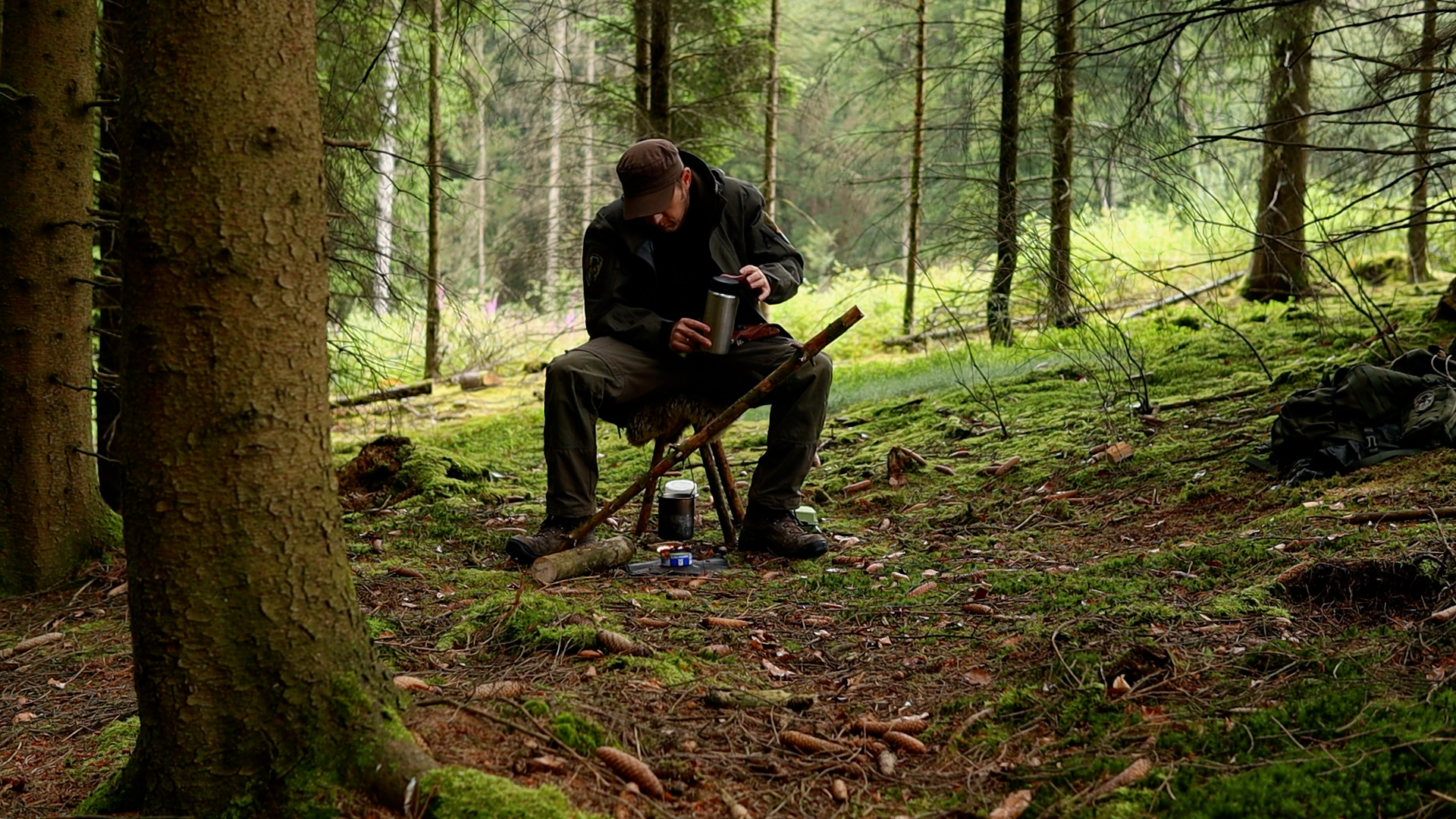
A finished bushcraft stool weighs very little, sits nicely by the fire, and gives your back a real break. Once you’ve built one, you’ll look at every fallen log differently.
If you want to watch the full tour, you can find the video here: https://youtu.be/PBWOvrgCB1E.