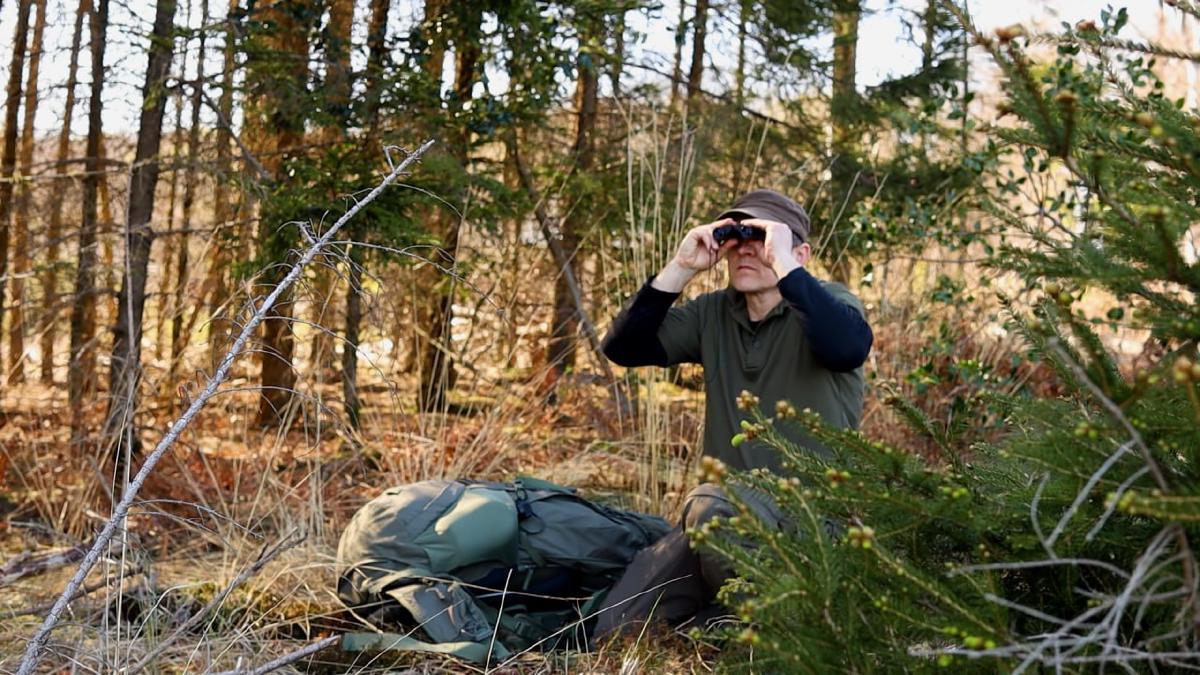
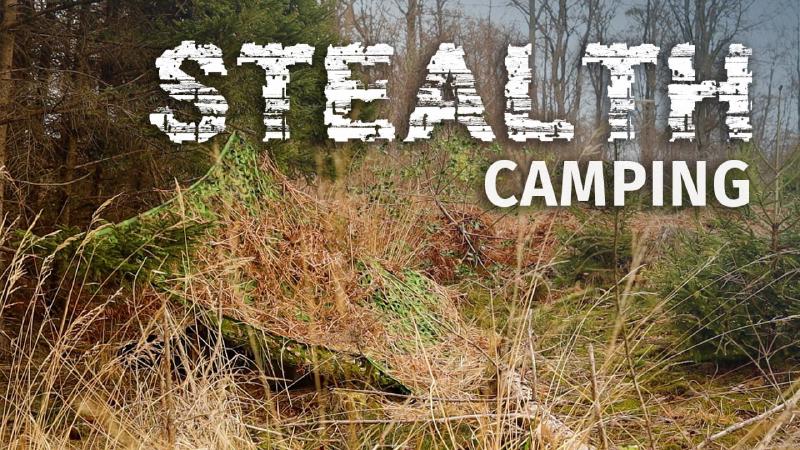
I had wanted to spend a night outside for a while without drawing attention: no big camp, no visible fire. That is exactly why I like stealth camping. It forces me to plan more deliberately, work cleaner and adapt to the forest instead of the other way around. For this trip I kept the setup minimal: a low-profile bivouac with the Carinthia Observer Plus, a camouflage net and quiet routines. The goal: spend one night in the woods undetected, respectful and without a trace.
Arriving Quietly and Camouflaging the Bivy Properly#
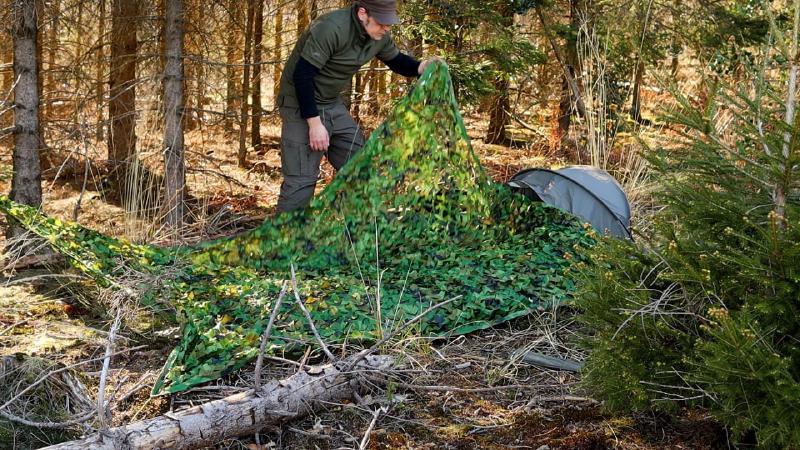
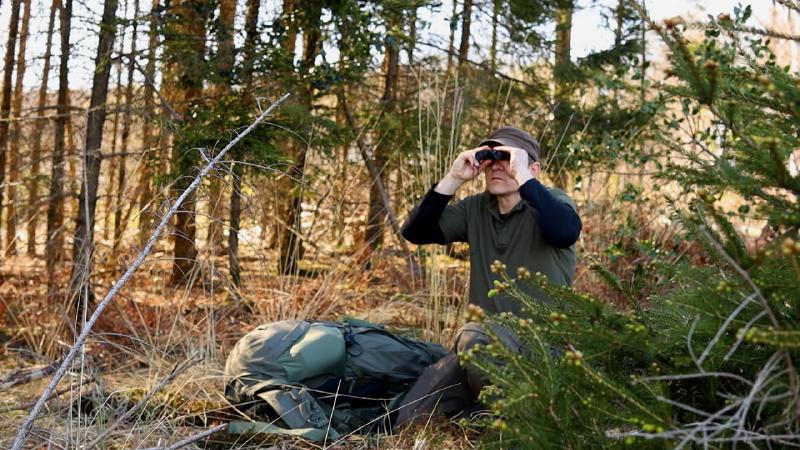
Good stealth camping starts on the approach. I move slowly, avoid unnecessary noise and look for a spot with natural cover. Instead of a perfect open patch I use what is already there: bushes, shadow lines, uneven ground. I place the bivy so the silhouette gets broken up. A straight, clearly readable shape stands out immediately, especially in moonlight.
The biggest lever is the camouflage. I work with a camouflage net (2x3 m, woodland) draped loosely over the bivy and add natural material from the immediate surroundings. Important: destroy nothing, break nothing off that is not already loose. That keeps the setup believable and in line with Leave No Trace. If you want to dig deeper, the idea behind Leave No Trace is well explained there.
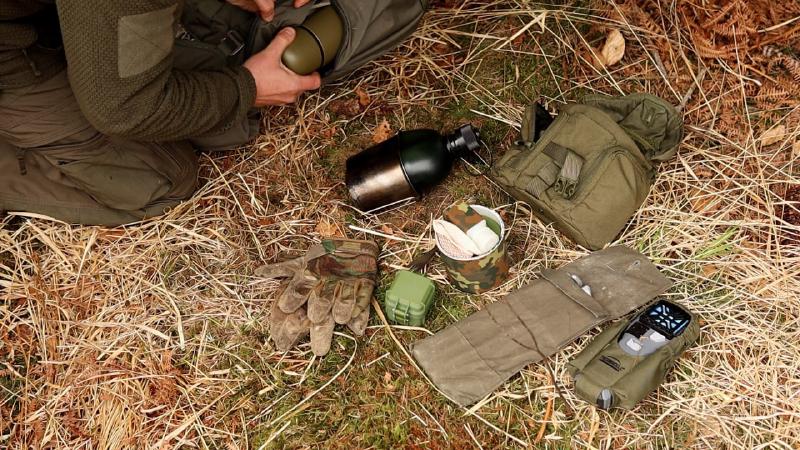
During setup I also try not to shuffle things around. Every extra movement makes noise and leaves marks. I follow a small working order: sleeping spot first, then weather protection, then only the items I actually need within reach. That order saves energy and keeps the camp compact.
Food, Night and Morning Routine Without a Campfire#
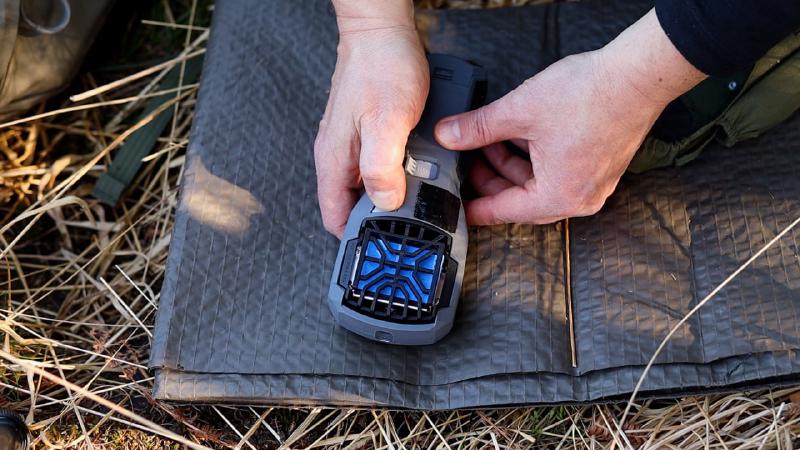
A central point of this overnighter was skipping the open fire. For many people the campfire is the heart of being outdoors, but for the stealth approach it is simply counterproductive: light, smell and smoke carry over distance. So dinner was a Forestia MRE, a self-heating meal that needs no stove and no flame. Against the mosquitoes the Thermacell handheld did a solid job, silent and without smoke. That keeps me flexible and lowers the risk of drawing attention.
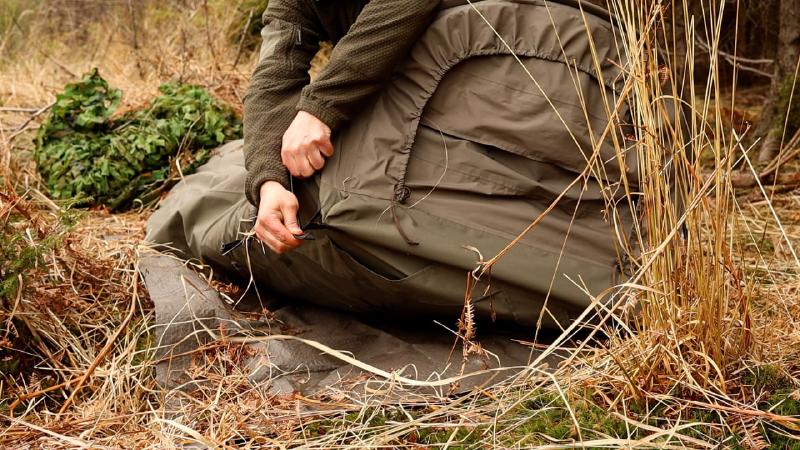
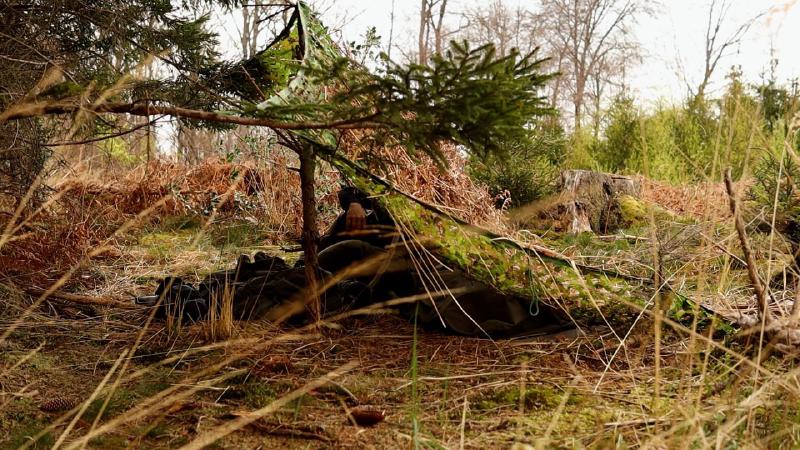
A well-thought-out setup pays off at night too. When the bivy sits low, well camouflaged and out of the wind, things get surprisingly calm. That night the full moon stood over the forest, I let a few nightlapses run and just watched. I like using nights like this to review my routines: What did I actually need? What was just ballast? Which steps can be quieter next time?
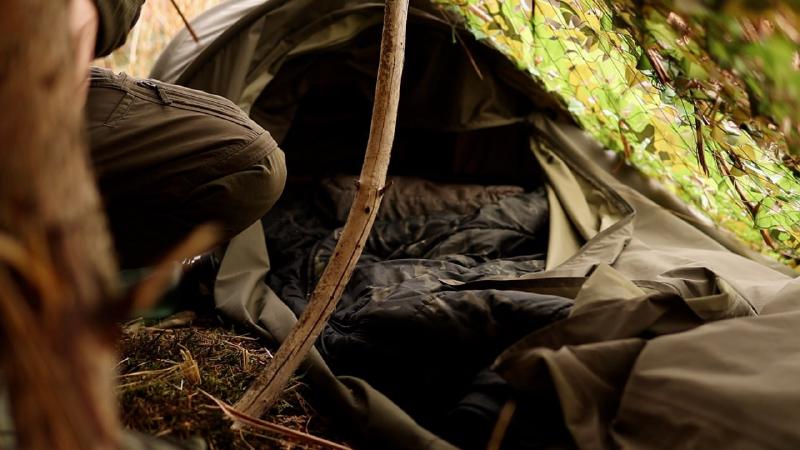
In the morning I keep it just as minimal. Instant coffee and porridge, mixed with hot water from the thermos, stored in matte green containers from the 3D printer. No stove, no fire, no waiting. Then comes the discipline of breaking down: remove the camouflage, check the sleeping spot, pick up micro trash, even out the ground. For me a trip only ends well when the spot looks like nobody was there.
What I Take Away from the Stealth Night#
What stays with me from this night: less gear, less movement, less visibility, and in return more calm and a more intense experience of the forest. The condition is that respect for nature and the surroundings comes first, otherwise the whole approach falls apart.
Check out the Nordic Wolf Shop, code KAPPE gets you 10% off all products.
Gear Used
Verschiedene
Tarnnetz Camouflage
Olight
Baton 4 Kit
Thermacell
Thermacell MR-H Holster
Thermacell
Thermacell Handgerät MR-300
OutdoorNature
Thermacell Nachfüllset - Refills, Stechmückenschutz 120 Stunden
Bundeswehr
Elefantenhaut - German Army Ground Sheet
Carinthia
Carinthia Observer Plus