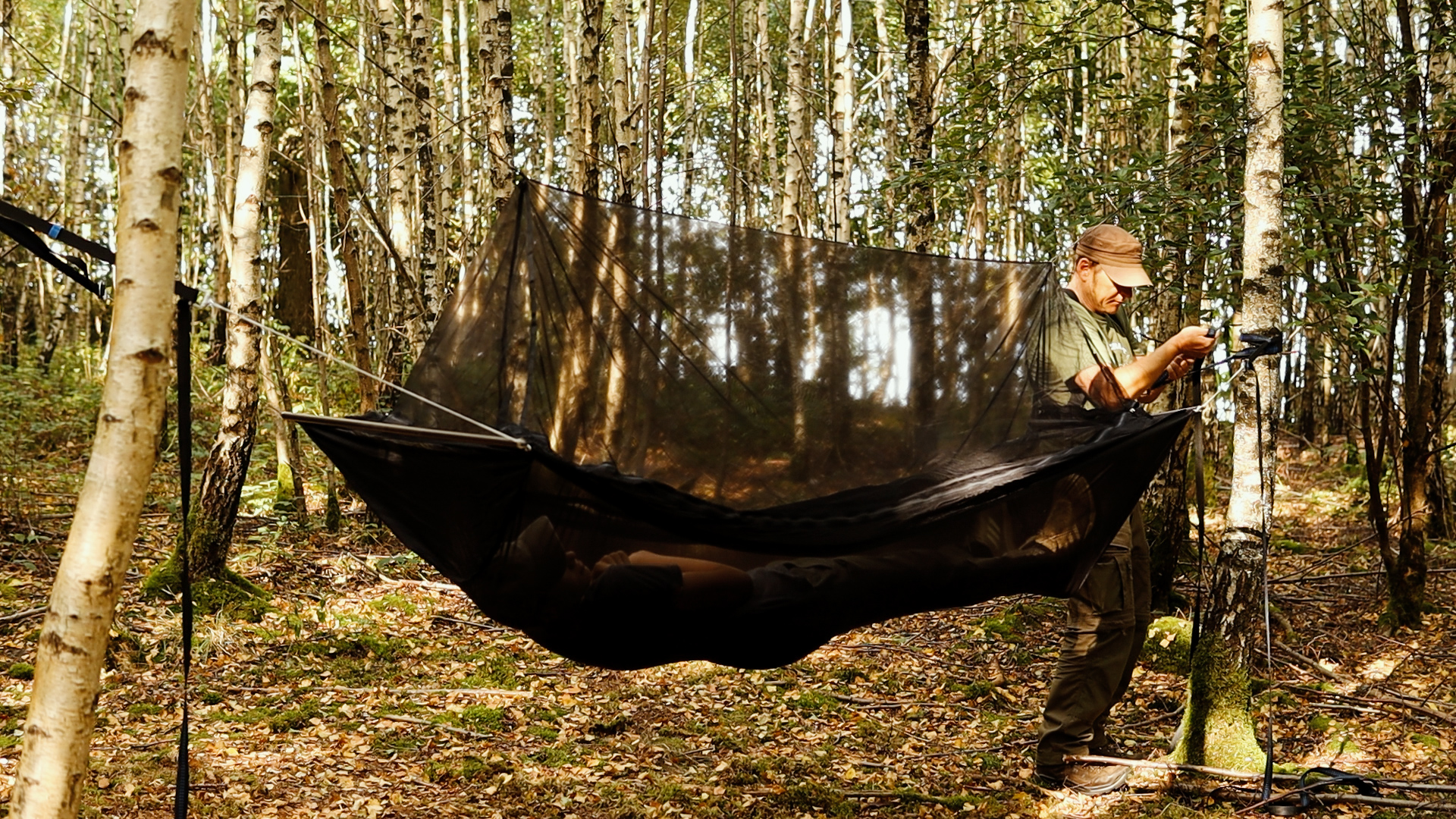
The first real snow of the season — and there was no question about it. Stefan and I grabbed our gear and headed straight into the forest for a winter hammock overnighter. There’s something magnetic about fresh snow in the woods: the silence, the soft crunch underfoot, the way everything slows down. We’d been waiting for this, and when it finally came, we didn’t hesitate.
Setting Up Camp in the Snow#
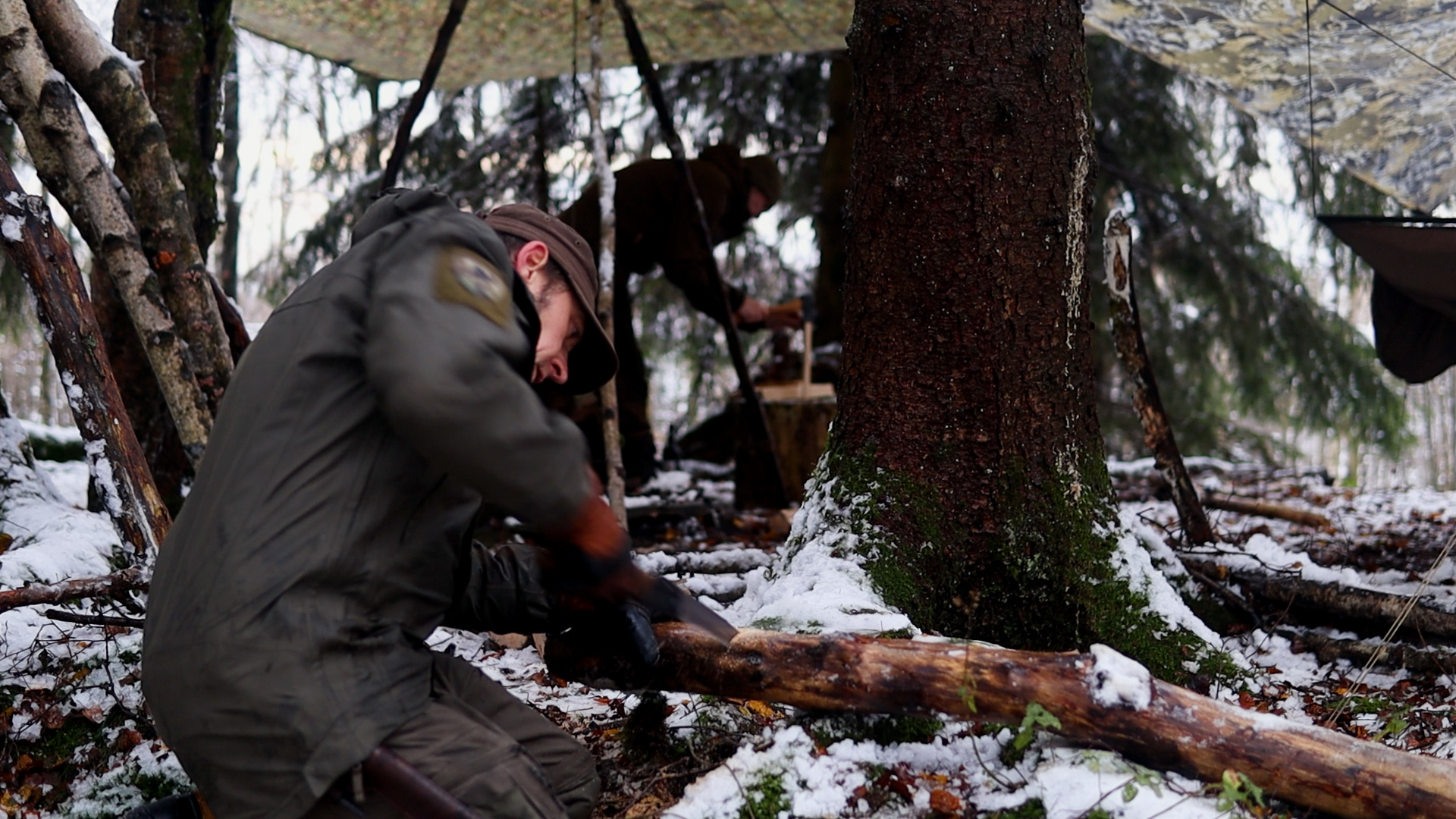
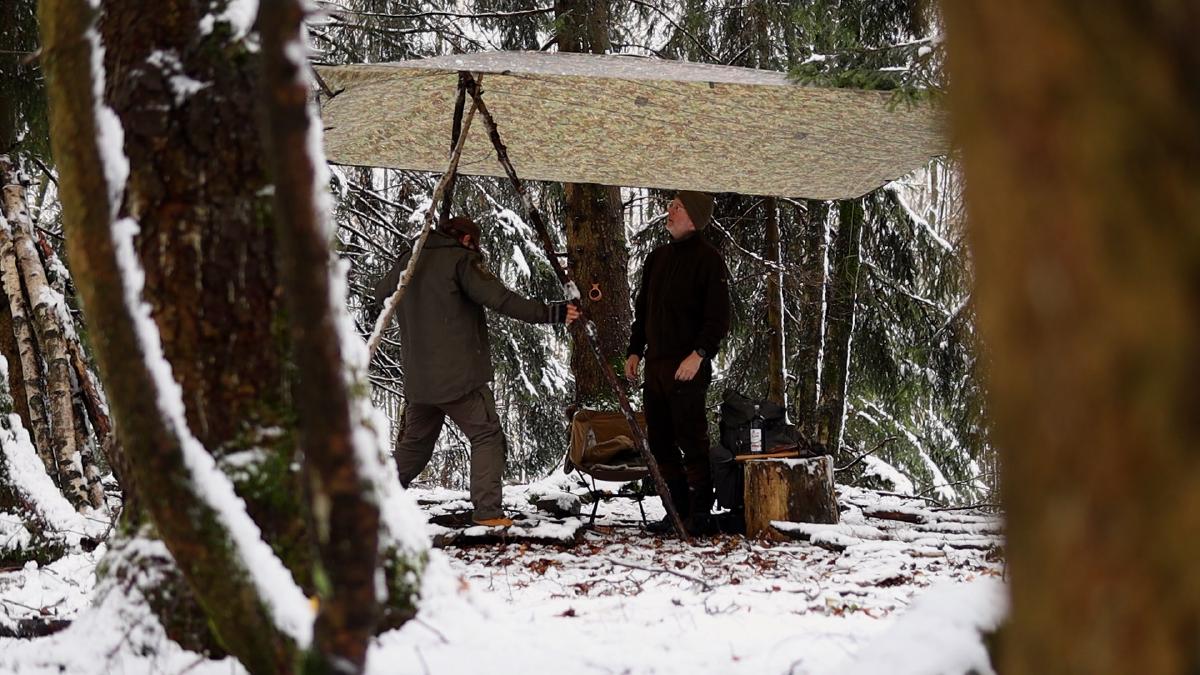
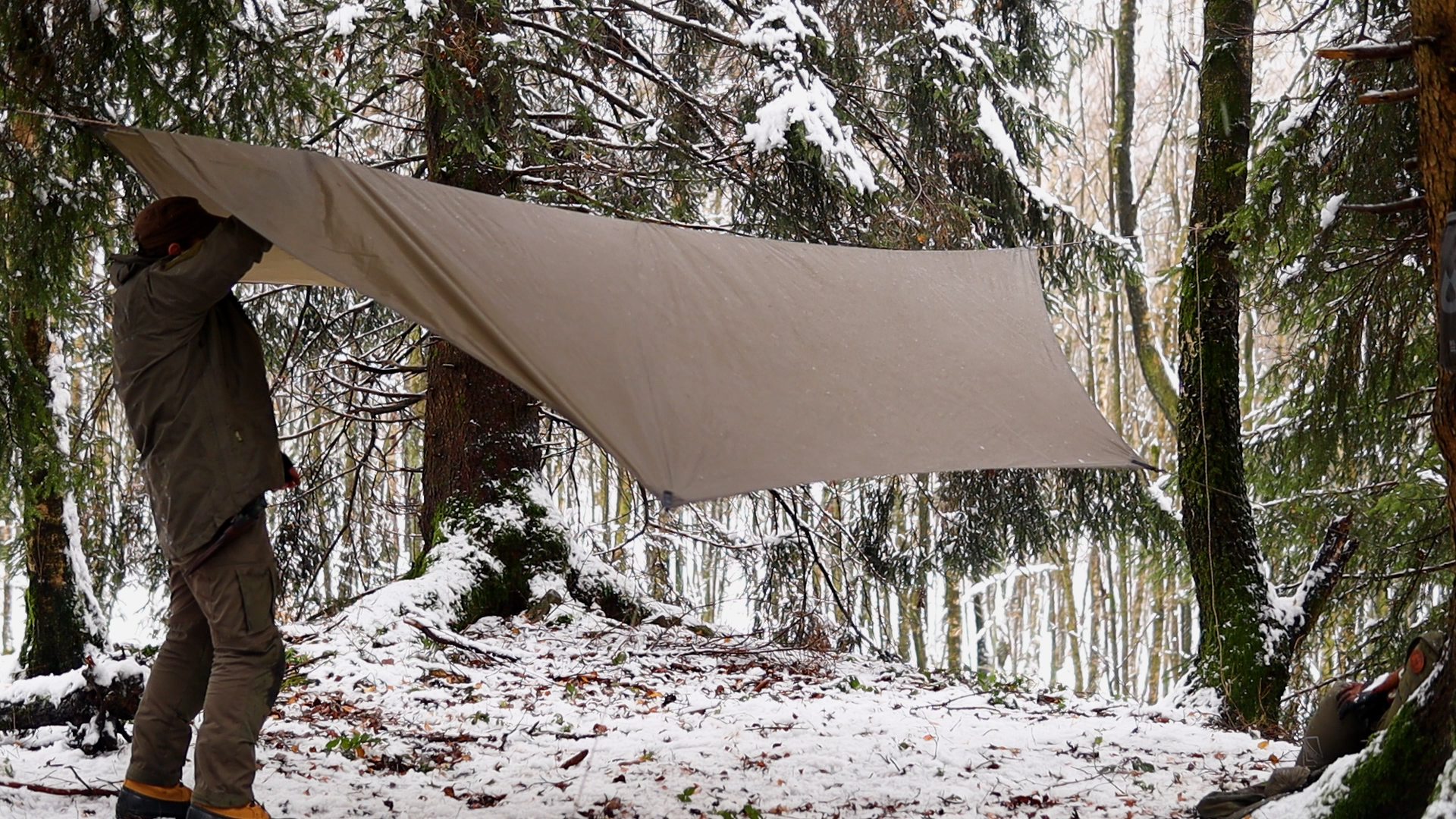
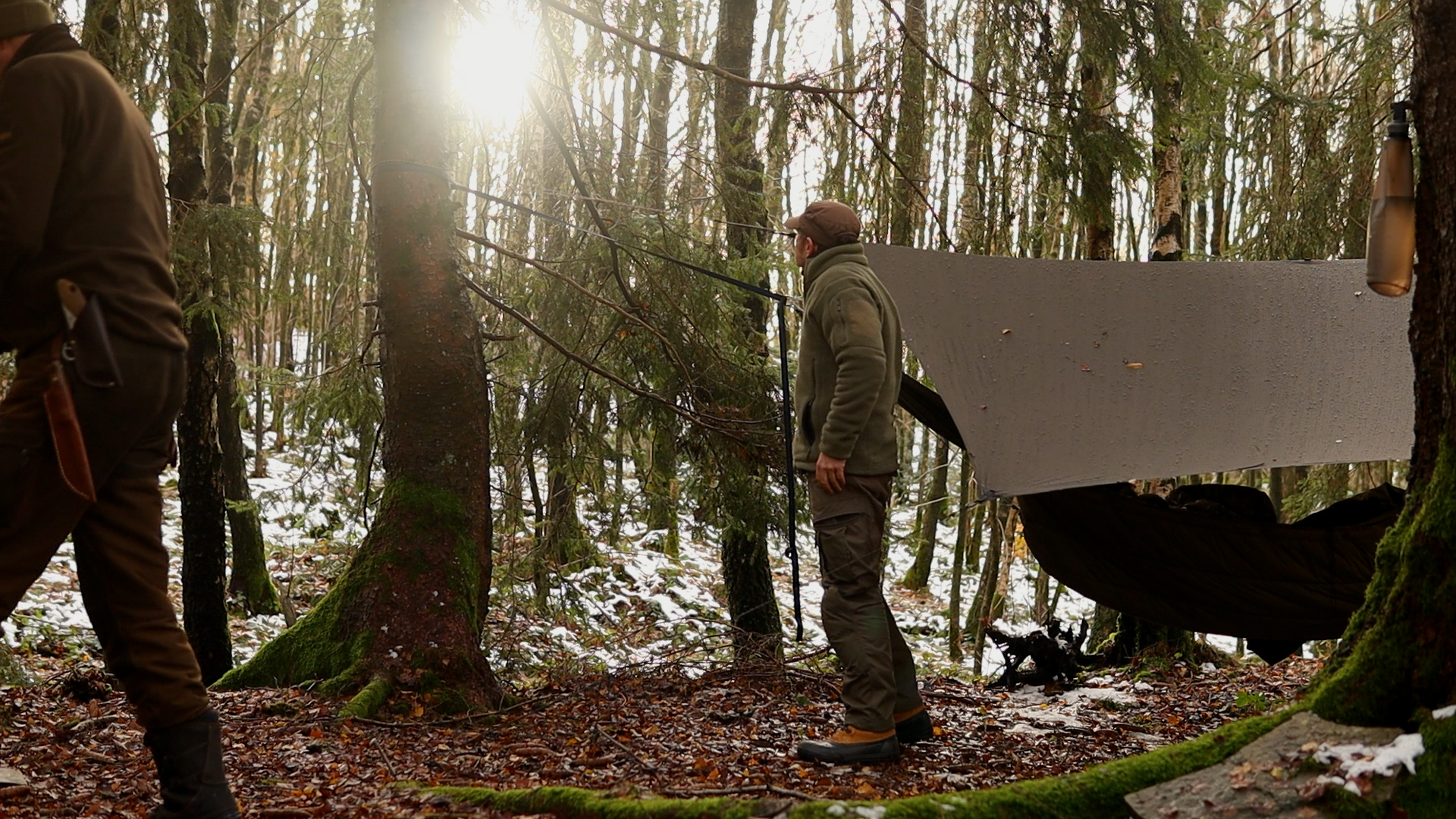
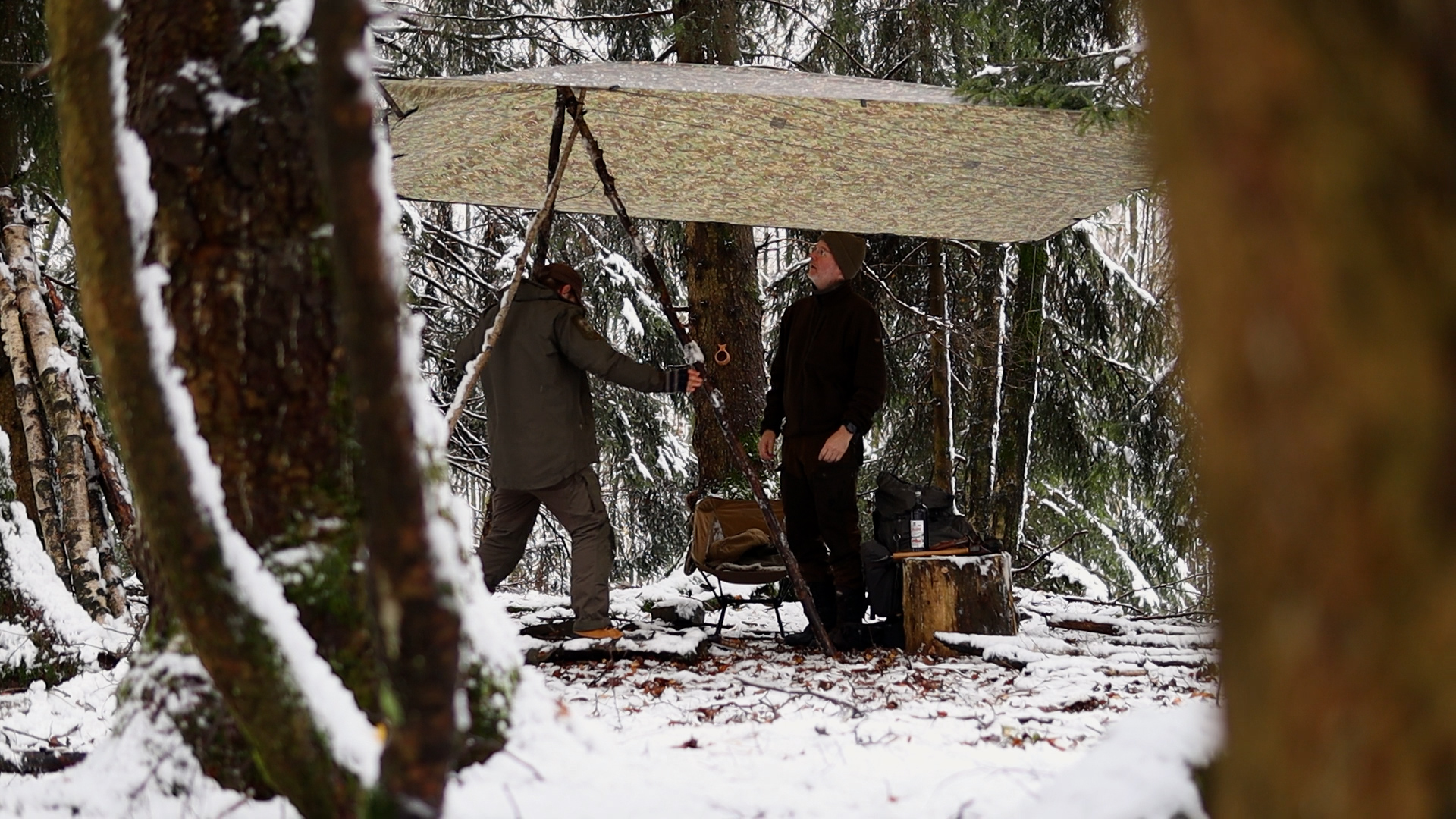
Our first order of business was establishing a communal area. We rigged a tarp over what would become our seating and fire pit — a sheltered space where we could cook, talk, and simply enjoy the winter atmosphere without getting buried in snowfall. Once the shared space was sorted, we each turned to our own hammock setups.
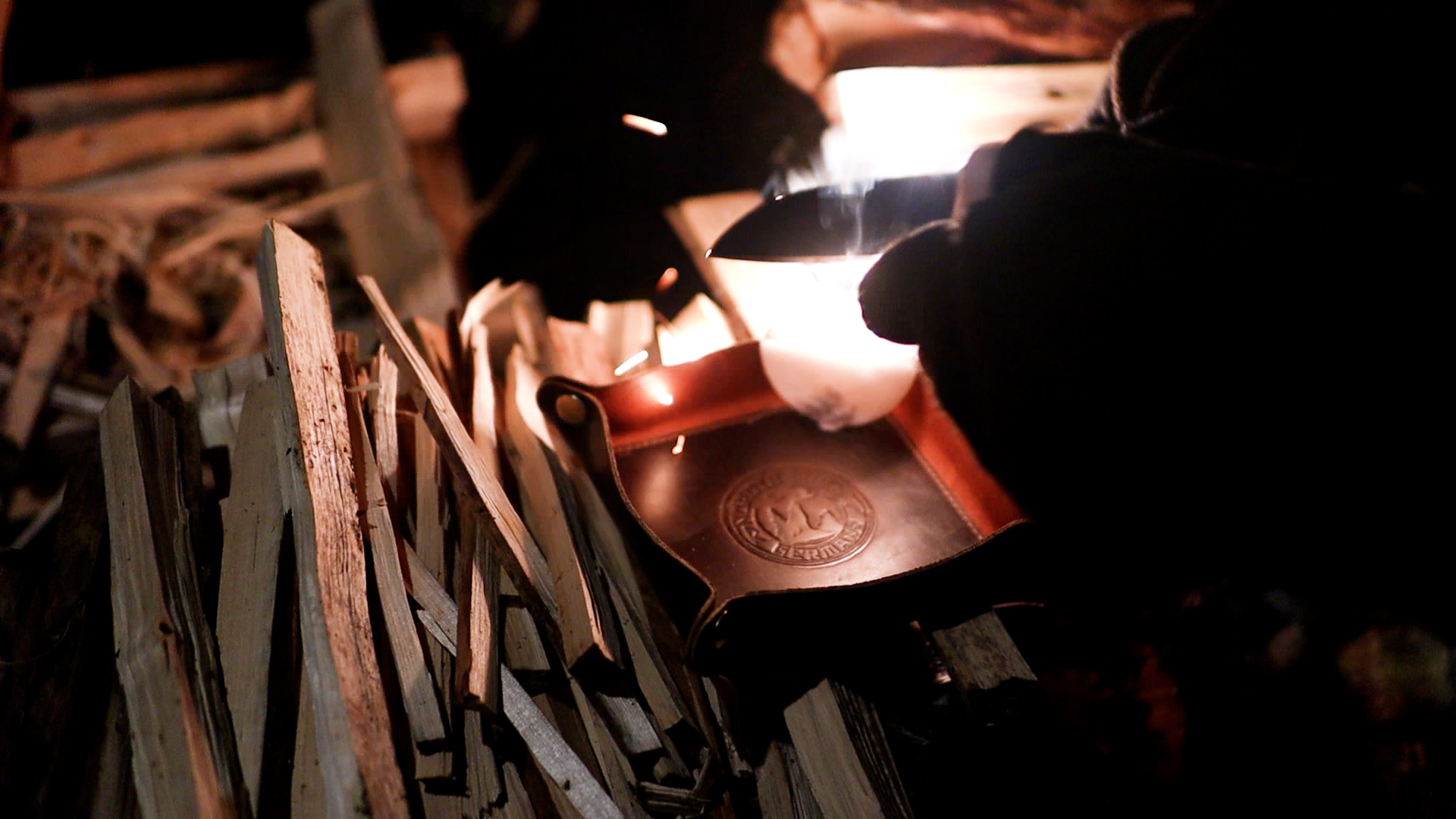
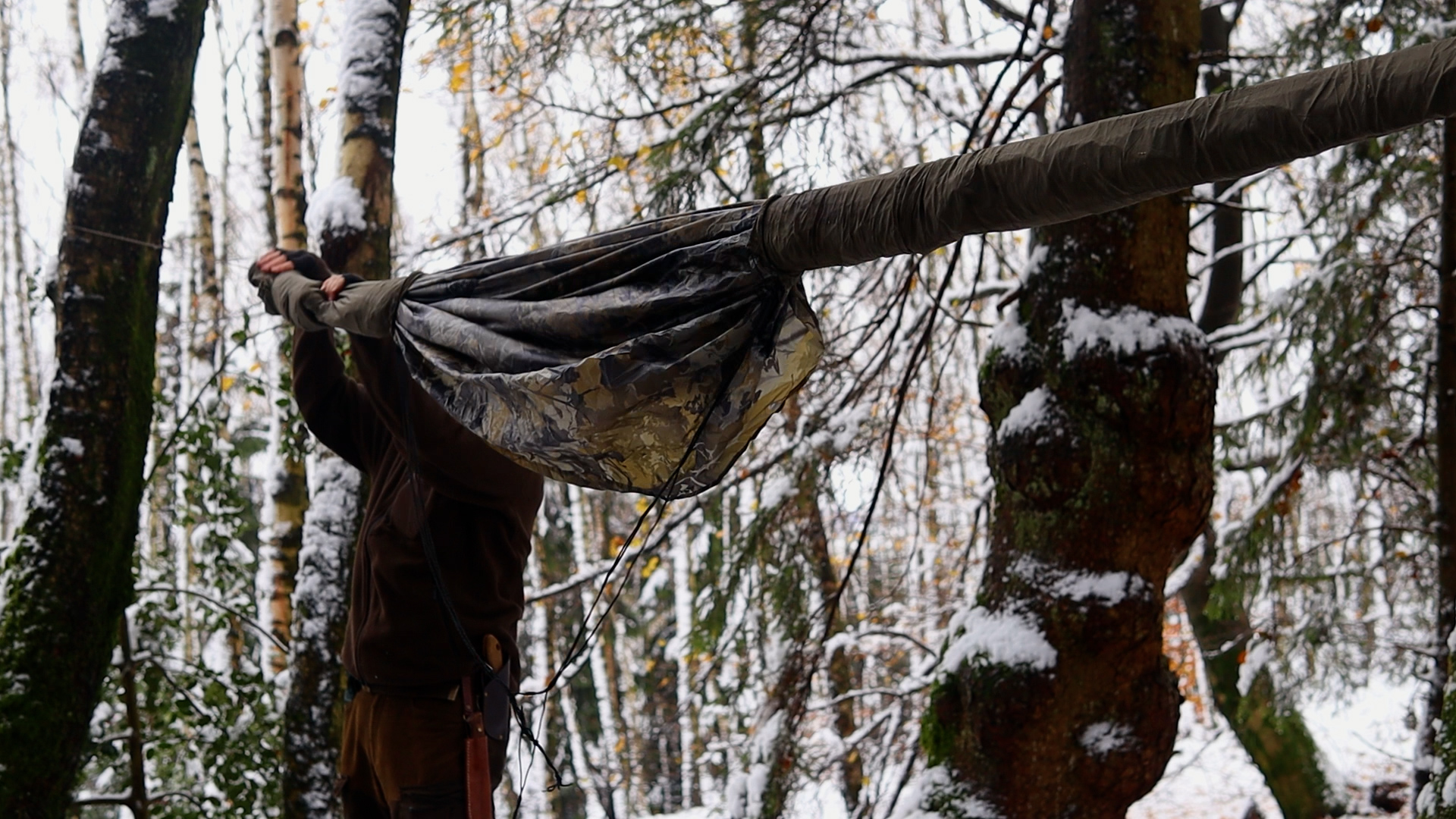
This overnighter was interesting because Stefan and I run completely different hammock systems. I went with my onewind double-layer hammock, paired with the onewind underquilt and onewind blanket for top insulation. Over everything, I pitched the onewind hexagon tarp to keep the snow off. For extra warmth on the coldest stretch of the night, I had my Carinthia Multicam Black sleeping bag inside the hammock — a combination that turned out to be remarkably warm even as temperatures dropped well below freezing.
Stefan, on the other hand, brought his Warbonnet Ridgerunner hammock with a Lynx underquilt and the iconic Superfly tarp in Bushwack Camo. The Ridgerunner is a bridge-style hammock, which gives you a flatter sleeping position — quite different from the gathered-end design of the onewind. It was great to have both systems side by side and compare how they handled the same winter conditions.
Bean Stew by the Fire#
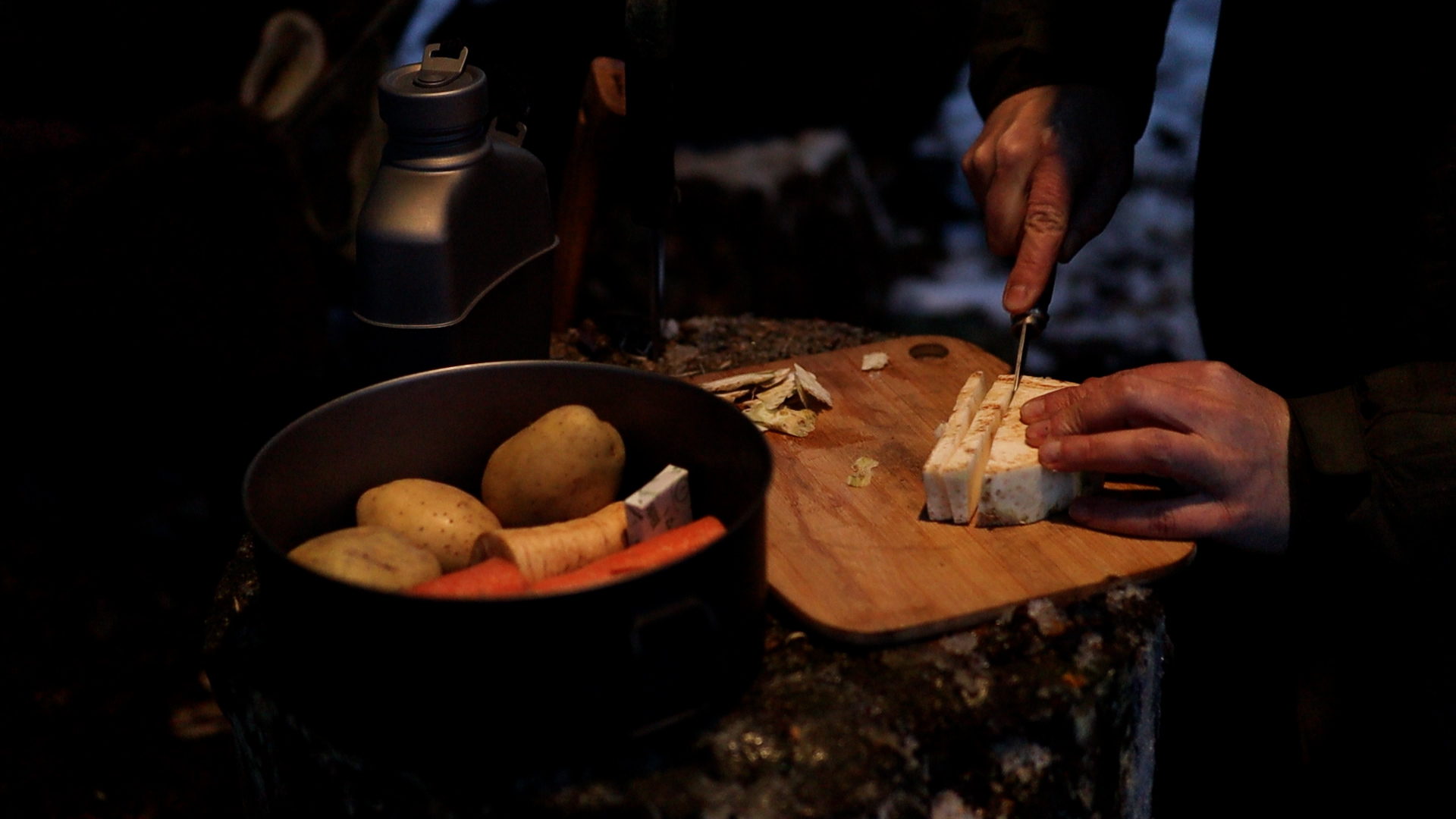
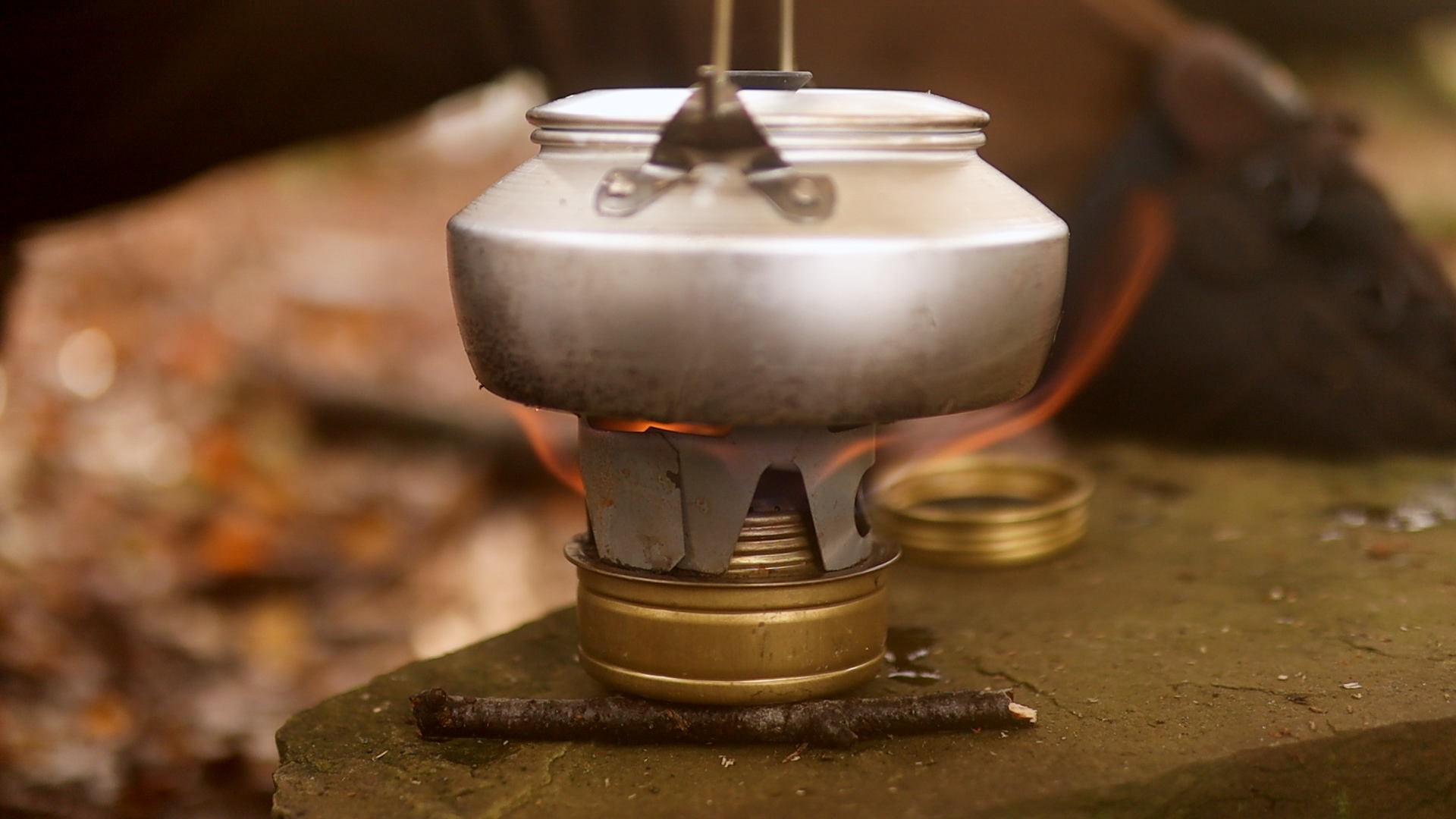
Once camp was set, we got a fire going and turned to the real highlight of any winter overnighter: a proper hot meal. We made a hearty bean stew loaded with vegetables and smoked tofu — simple, filling, and exactly what you need when the cold starts creeping in. We cooked everything in a SilverAnt titanium pot, which heats up fast and is incredibly light to carry in. Our spices came along in a Nordic Wolf leather spice bag, and we used a Nordic Wolf multifunctional leather container for prep — both solid pieces of kit that feel right at home around a campfire. If you’re eyeing anything from Nordic Wolf, the code KAPPE gets you 10% off.
The stew was warming and delicious. And later, once the camera was off, we may have enjoyed a mulled wine or two — the perfect end to a snowy evening in the woods.
A Cold Night, a Warm Morning#
Sleeping in a hammock in winter always raises the same question: will I be warm enough? The answer this time was a definite yes for both setups. The onewind underquilt did its job brilliantly, and the added sleeping bag gave me a comfortable buffer against the cold. Stefan reported the same from his Warbonnet setup — the Lynx underquilt kept the chill at bay all night.
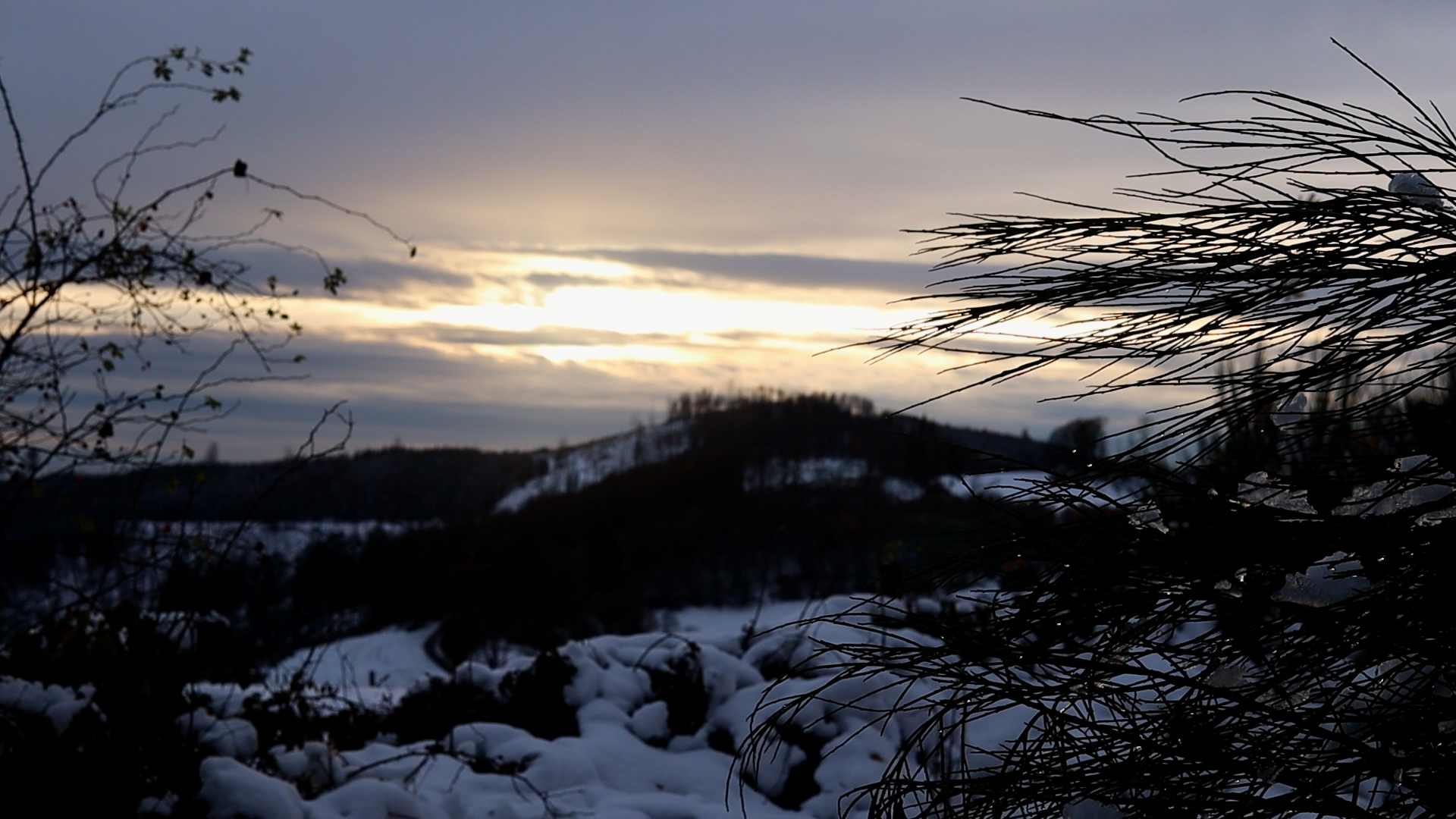
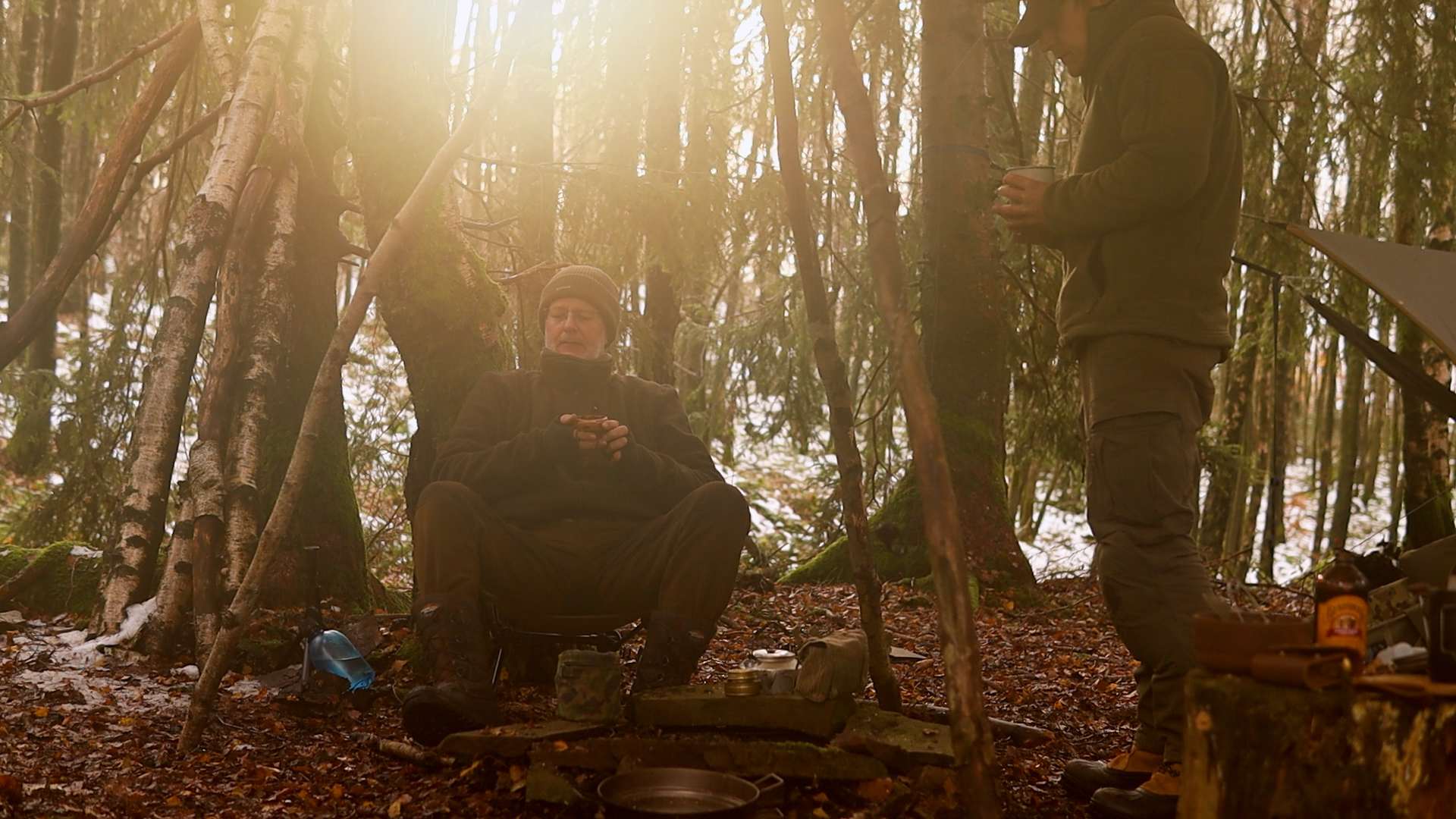
Waking up to a snow-covered forest in the morning light is hard to beat. There’s a stillness to winter camping that you just don’t get in any other season. The fire was easy to restart, coffee was made, and we took our time packing up — no rush, no agenda, just two friends enjoying the forest in its quietest form.
More impressions from camp
If you’ve been on the fence about winter hammock camping, this trip was proof that it works — and works well. With the right insulation underneath and a solid tarp overhead, a hammock can be just as viable as a tent in the snow. The key is preparation: a reliable underquilt, a good sleeping bag for backup, and a tarp pitched low enough to block wind and snow.
Snow in the forest, a warm fire, good food, and a night swinging between the trees — it doesn’t get much better than that.